Friday, February 27, 2009
Internal Conflict
In Act III Macbeth is faced with an internal conflict. The guilt that he has from killing King Duncan, and now how Macbeth plotted a murder against Duncan for his knowledge about his prophecies. Because of this internal conflict Macbeth is weak and can no longer sleep and is having hallucinations. Macbeth is feeling a huge amount of guilt. He is trying to prove to the ghost of "Banquo" that he is innocent. He is slowly dieing from the inside out because of his guilt.

Thursday, February 26, 2009
blood

As the play goes on blood is used more and more, at the begining spilling blood was a showing of strength, Macbeth slayed men in battle and was considered brave becasue of it, now blood shows evil and weakness. The blood Macbeth sees on his hands after the murder of Duncan shows how he has committed murder that he cannot take back and his weakness in giving in to his ambition at the cost of his soul and conscience. Directly after the murder Macbeths hands were bloody physicaly but in act 3 his hands are bloody in his dreams and Lady Macbeth cannot remove the blood from her hands no matter how hard she tries. Lady Macbeth went from being strong and saying how the blood can b washed off with just water, but now repeatedly washes her hands to remove it.
Wednesday, February 25, 2009
Internal Conflict
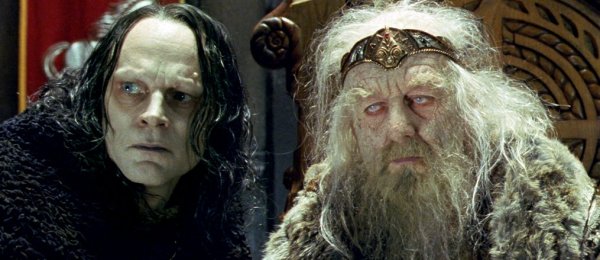
In act 3 Macbeth's guilt and anxiety continue to worsen as he falls into a deeper and deeper inner turmoil. Not only is he worrying about having killed Duncan, but now his power as king has made him greedy and he starts to think that banquo will take him out because it was his sons' that would be king after Macbeth. MAcbeth later decides he will off Banquo but he is not willing to do it himslef so he cons two lower class people into doing it for them. He tells them that as long as Banquo lives he will be sick. Macbeth is reallying saying he is sick with guilt and fear and killing Banquo will make it better, but it will probly onlt drive him more insane.
External and Internal Conflict

 Macbeth is like the wizard of Oz he has an astonishing appearance, but behind the curtain he is a terrified man.
In Act III Macbeth is faced with extreme internal and external conflicts. Obviously he has extreme guilt about taking the thrown away from King Duncan and for conspiring against his “right-hand man” Banquo. Macbeth is weakened by his internal conflicts, because he can no longer sleep at night and starts having hallucinations. At the banquet after he is certain that Banquo is dead, he starts seeing his ghost and talks to him aloud. He speaks to the ghost in front of his guest saying, “Thou canst not say I did it. Never shake They gory locks at me.” Macbeth is feeling a huge amount of guilt, because he is trying to prove his innocents to “ Banquo’s ghost”, when all the ghost does is stare at him without saying a word. He is slowly deteriorating mentally and physically by his guilt, but it is not the only problem he faces. Externally Macbeth has a problem with society. He is constantly trying to portray a noble appearance since he has become king. However Macbeth is determined to face anyone that puts his status in jeopardy. First he kills the guards in fear of the truth being reveled, contemplates killing Malcom and Donallbain in order to secure his place as king, orders men to kill Banquo so that Banquo cannot recite the prophesy, and attempts to kill Fleance because he is suppose to be his successor. All of Macbeth’s external conflicts are caused by his internal conflicts of guilt and fear.
Motif - Blood Stained Hands
In the tragedy of Macbeth, blood is a reoccurring image, more specifically: blood stained hands. As Macbeth draws closer to his destiny his hands more often become caked in the blood of the innocent. Thus falling further into corruption. The story of Macbeth opens in the heat of battle. Macbeth is given the honor and title of thane of Cawdor as the weak thane will be killed by order of the king for his weakness and power passed on to Macbeth. Macbeth hand’s become further unclean for the murder of King Duncan. Macbeth tries desprately to wash the blood from his hands. While his wife insists that his crimes be wiped clean from his hands with a little more than water, Macbeth and later Lady Macbeth will understand that the blood will never wash away from each other’s hands (in a psychological sense). Macbeth’s hands become more caked in the blood of the innocent when he slays Duncan’s guards after planting the murder weapons in their hands, accusing them of murder of the king. Though Macbeth feels great remorse for his actions, his hands remain unclean, furthermore he sends our assassins to kill Banquo and his son. Though Banquo has been loyal to Macbeth, he poses a threat to his crown. Though in the scene the murders are the ones who commit the murder of Banquo, it’s Macbeth who will carry the burden of Banquo’s death and will be haunted by his image and again, Macbeth’s hands are stained by blood. While serving as a host to his court in Act three, scene four. Macbeth first encounter with the ghost of Banquo, who may be just an illusion of the guilt overwhelming Macbeth, he is horrified. Macbeth mutters “Blood will have Blood” while his wife tells his guest to ignore his strange behavior. Later (reading ahead) Lady Macbeth too is consumed with the image of blood. Believing no matter how many times she washes her hands, they will never be clean of the king’s blood.
Characterization- Macbeth

Macbeth's character changes greatly throughout the play. In Act I Macbeth appears to be an Honorable Fighter. He is awarded for his bravery in battle and is granted rule of Cawdor by King Duncan. Then in Act 2 Macbeth Murders Duncan, Macbeth vacillates the idea of killing Duncan and Feels great remorse after the paroxysm of anger he killed Duncan in. Then in Act 3 Macbeth does not waver on his decisions and tries to convince two men who he considers paltry to murder Banquo. Just within the First three acts Macbeth greatly changes. He was once loyal to Banquo and fought with him at his side and he wants Banquo dead. This also shows how Macbeth is bolder with his actions because he is openly calumniating Banquo who he has asked to be one of his advisors. From the first Act to the third Act Macbeth changes from a honorable warrior to a Cynical King who is plotting to murder one of his closest friends.
The Hero Journey-Tests, Obstacles, Enemies and Allies


As the play Macbeth progresses, Banquo's role shifts. To Macbeth, Banquo was once an ally who he relied on. He felt comfort in using Banquo's knowledge and there was a friendship between the two men. But, in act 3, Banquo has suddenly become an enemy to Macbeth during his hero journey. Macbeth sees Banquo as a threat. The main reason that this idea is planted in his head is because of the witch's prophecy. He believes that because the first part of it came true (him becoming king) then the second part will also become true (Banquo's sons will take over). He fears losing his title as King and he knows that Banquo is his biggest threat to him. His knowledge that he once needed is now dangerous to him. Also, he is afraid of Banquo discovering the truth about Duncan's murder. Banquo knows that Macbeth somehow cheated into fulfilling his prophecy. Macbeth proves that Banquo is considered an enemy when he says to the hit man "Who wears our health but sickly in his life, which in his death were perfect". This quote is saying that as long as Banquo is alive, He (Macbeth) will be sick. But once Banquo is dead, he will be healthy. In order to take care of the threat that Banquo possesses, Macbeth orders a hit on him and his son. Unfortunately for Macbeth, only Banquo is killed and not his son. This problem is yet another obstacle along Macbeth's hero journey that he must deal with.
Characters / Characterization

So far in this play, Lady Macbeth has been at her husband's side at all times. She helps to guide him and to push him forward when he is struggling. Whenever Macbeth falters, his wife is always there to keep him in check. For example, after Macbeth kills Duncan, he feels remorse. Lady Macbeth tells him not to let these thoughts get to his head too much or he will become weak. Also, in Act III, Macbeth sees Banquo's ghost sitting at the table with everyone. The ghost, however, appears invisible to everyone else. People start to think that Macbeth is crazy, but Lady Macbeth comes to his side and makes some excuses for him. Later on she tells him to snap out of it and questions his manhood.
Lady Macbeth's role in this play is not similar to any other wife/husband relationships that I have encountered in previous works of literature. Usually, the wife is portrayed as subservient to the husband and not allowed to question his authority. The husband is usually shown as the "breadwinner", while the wife remains in the shadows and takes care of the children. Something such as questioning the husband's manhood would be unheard of in other works of literature. This stereotypical envisionment is the complete opposite for Macbeth and Lady Macbeth's relationship. They both are equal and both rely on each other for assistance. Lady Macbeth can say whatever is on her mind to Macbeth without any consequences.
The Hero Journey

Macbeth's call to adventure came when the witches first told him that he would one day become king. This then leads to his plotting against Duncan with Lady Macbeth. However he almost "refuses the call" by having doubts about the killing, but does choose to follow through with it. The moment that Macbeth killed the king was him crossing the threshold. He has now taken action to become king that he cannot take back. He does however feel guilt and shame for it, but the act changes him. He is now only concerned with covering his tracks. Murdering others is not affecting him they way it did when he murdered Duncan. Now in Act iii Macbeth faces his tests, allies, and enemies. After the body of Duncan was found, and fingers pointed at the guards, Macbeth kills them as well, claiming it was "out of rage" for their having murdered Duncan. His alterior motives are known only to the audience and Lady Macbeth at this point. This was Macbeth's first test. He now faces his greatest test of all, being King of Scotland, and keeping it that way. His friends have now become his enemies, or rather, potential enemies, and his only ally is Lady Macbeth. Banquo has become suspicious, although Duncan is not aware of this, and poses a threat to him, as the witches prophesized his children sitting upon the throne as well. Now, Duncan must defend his title, and hide his guilt all the while ruling with Duncan lingering at the end of his bed.
Characterization: Macbeth

In Act III the true personality and character traits of Macbeth begin to show. Macbeth is a dynamic character who changes his moods and morals throughout the play. At the beginning of the play Macbeth is a person who takes pride in his status of being noble and having honor by fighting in the battlefield where he has a sense of confidence and capability of his actions which we later learn if not always true. We notice a giant change in Macbeth's confidence when he second-guesses his actions to kill Duncan. When he envisions the dagger before him his conscience takes over reminding him of morals. He used to be one who would never kill an innocent man in his sleep but Macbeth is greedy and craves the title and status as King. Macbeth's once powerful personality diminishes as he feels great sorrow for his immoral deed of murder. He will no longer be able to live in peace without remembering what he did. Macbeth is "power-hungry" because he wants to make sure that the throne is safe for him. He gave in to Lady Macbeth's suggestions of murdering Duncan and to place the blame on the servants. Her negative influence on Macbeth continues tot show as his character develops. When Macbeth plots the murder of Banquo and his son Fleance we know that Macbeth is not turning back and he only cares about himself. Banquo is such a close companion to him yet in Macbeth's eyes he poses too much of a threat and his friendship is just not worth the struggle. Macbeth is becoming brutal as he murders person after person. I predict that he will soon let his conscience get the best of him and he will be overthrown.
characters/characterization

In act III the reader begins to see a darker side of Macbeth. Macbeth, having recieved what he has sought out for, transitions from a man out to fufill his destiny into an unpredictable and unstable villian. Macbeth's kill count has reached 3 and is increasing scene by scene. His murders which started out as fufiling what he believed to be his own true destiny turned into murder out of his own insecurities. If he hadnt known that Banquo's offspring would overtake his crown than Macbeth wouldnt have killed Banquo. I feel like Macbeth has had an equivocal character throughout the play because his elevator doesn't run to the top floor if you know what i mean. He has constant hallucinations and his mental state is not consistent. We can only wonder what type of Macbeth is going to show up in act iv.
Hero Journey

At this point in the story the hero has already crossed the threshold and has his tests, allies and enemies. Macbeth now feels that Banquo is an enemy because he is his one threat to continue his reign on the throne. Banquo knows for sure that Macbeth had to cheat somehow in order to become the king. And he says it to Macbeth and he feels threatened. Therefore Macbeth "stabs Banquo in the back" after they said they would rule together earlier. Once Macbeth commits the evil deed, Macduff is the herald when he warns evryone that the king is dead. The trickster is obviously Lady Macbeth because she has always been trying to get Macbeth to kill the king so that she too can have a spot on the throne as the Queen. Macbeth is now approaching the inmost cave at this point because he has gotten rid of all of the evidence that could possibly lead to him. The only dilemna is that he is now getting worse hallucinations which is showing that he is going to fall soon because you can clearly see that he is getting weaker now.
Symbols and Imagery

Blood has been a symbol in the play Macbeth. When Macbeth was thinking about killing Duncan he sees a dagger with Blood on it. In turn that dagger will lead to Duncan' s death. After he kills Duncan and Lady Macbeth puts the daggers back they look at their hands and see Duncans blood. Lady Macbeth says "A little water clears us of this deed" to Macbeth hoping that when he washes his hands the guilt will go away. Blood symbolizes the guilt that they have for killing Duncan.
The Symbol of Blood

All the way up through Act III of Macbeth, blood has been used as a symbol. Blood is seen in the beginning with the opening battle between the Scots and the Norwegian invaders as Macbeth slays the invaders and blood is stained on his blade. However, this blood symbolizes something different then what it symbolizes in Act III. The blood seen in act I is the blood of an enemy while the blood in act III is the blood of a king who has not wronged or done anything to Macbeth. After Macbeth commits the murder of King Duncan he stares at his hands. The blood has come to symbolize Macbeth's guilt for killing his king. He even cries out to his wife and says that the blood is stained on his hand and he cannot wash it off. Lady Macbeth replies and says that the blood should come off with some water. This shows Lady Macbeth's power-hungry attitude towards the crime that she forced her husband into doing. She does not care that the king is dead and instead only cares about herself.
Characters- Characterization- Macbeth
In Act three, the reader starts to see significant changes in Macbeth's behavior and thoughts. Power drove him to commit murder, but now grief is making him commit murder again. Macbeth is clever in convincing two men into helping kill Banquo and his son Fleance when they come home after a horse ride. He claims that Banquo is an enemy to all of them and he has to be taken care of. When Macbeth says, "Whose execution takes your enemy off, grapples you to the heart and love of us, who wear our health but sickly in his life, which in his death were perfect" shows how he needs to be healthy again and he can not while Banquo is living and hurting Macbeth. He then goes on to say how they fear him as well and needs to die. Macbeth makes it clear to cover their tracks and make sure that no one will find out he plotted this awful plan. The reader also sees Macbeth's hallucinations of banquo's ghost which frighten him and make it so that he is instilled with fear again. Now, Macbeth has nothing to do but kill and says, "Strange things I have in head, that will to hand" showing he will put more plots he has and put those into actions.
Characters and characterization

In act III Shakespeare changes two characters completely around. As the number of murders increase Macbeth becomes much less disturbed by death, and appears to feel less guilt. Lady Macbeth, playing the role of the foil character, becomes much more troubled by the deaths. Earlier in the play Lady Macbeth wishes she was more manly so she could murder, and manipulates Macbeth to kill by questioning his manhood. By act III Lady Macbeth changes, becoming as she might describe "more feminine", as her husband becomes "more masculine". The change of roles also changes the perception of Macbeth, who now seems like a villain instead of a hero, especially when he hires people to kill Banquo, who is a friend of his.
External and Internal Conflict

In act II scene i Macbeth faces external and internal conflict. This conflict is caused by the contemplation of murdering of Duncan. Obviously the external conflict is the actual murder, but much more is happening internally in Macbeth and Lady Macbeth. Shakespeare uses the hallucination of the dagger to represent Macbeth's internal desire for power. Macbeth wishes to ascend the throne but is unsure if he really has enough desire to kill his King, least of all as he sleeps. Macbeth believes the dagger means he will be able to kill Duncan without guilt, as if it were a prophecy, but this belief, like the dagger itself, is not real. Lady Macbeth, until this point in the play, appears cold hearted and capable of murder, but in fact she shows a weakness when she is found unable to murder the King in his sleep.
Tuesday, February 24, 2009
Internal Conflict

In the end of Act II, Macbeth is heading to Scone to be crowned. Ross and the Old Man begin to talk outside of the castle. They discuss the strange happenings that have been occurring. Ross tells the old man how he saw a Owl kill a falcon, and how he saw King Duncans beautifully trained
horses ate one another to death. Macduff begins to talk to the two men saying that Macbeth is going to be crowned in Scone. Macduff then goes to Fife back to his home, the Ross goes to Scone to see Macbeth be crowned King. The Old Man, Ross, and Macduff are the first ones to become suspicious about Macbeth, and why he had killed the chambermaids. These Men who are suspicious are the men who are eventually going to become Macbeth's nemesis.
Symbols and Imagery

One of the first symbols used in Macbeth is the thunder and lightning presented in the background when the witches speak. In act I scene i the thunder is used to give a sense of impending doom. The witches themselves are portrayed as very dismal characters, and the storm in the background only enhances their gloomy presence. In act I scene iii the witches appear again, and this time their arrival is coupled with the background sound of rolling thunder. Once again the thunder is used to give the idea of dark times, like a stormy night, similar to the play where the witches speak of violent acts, and foretell impending doom. Shakespeare adds the sound of thunder whenever the witches appear, as if the storm follows them at all times. In the play treachery and death often follow the witches, therefor I believe the thunder is a symbol of death and betrayal.
Monday, February 23, 2009
Characterization --> Macbeth

In act II Macbeth is receives the call to adventure when his wife tries to convince him to kill King Duncan. He initially will not, but lady Macbeth convinces him to do it at which point he crosses the threshold. Before and after committing the murderous act Macbeth has both visual and auditory hallucinations which make him feel guilty and question what he did. Macbeth realizes he has nothing to live for when he says, "Had i died but an hour before this chance... The wine of life is drawn, and the mere lees is left this vault to brag of" (86-91, II, iii). His thoughts of worthlessness foreshadow his tragic downfall. Later he tries to convince himself he did the right thing by saying that you can't be wise, loyal, and neutral all at once. At this point in the play Macbeth is in deep internal conflict and that if he does not overcome his guilt he will fall.
Setting & Location
 Macbeth is taken place in a village called Glamis, Scotland. He is important because he is a thane to the village and to the people. This location is important to the play because this is where he learns from the witches that he can become King. Since Macbeth is nobel to this place that also means that it could lead to better things in the future. It is held in a place that seems to be always dark and gloomy which sets the mood of the play in the way things will happen throughout the play.
Sunday, February 22, 2009
Characterization – Banquo
Banquo is the ancestor of King James the first to whom the play Macbeth honors. Banquo is a man of honor and respect. He takes the role of Macbeth’s friend, co-conspirator as well as his greatest threat. Banquo is presented in a manner much like his decedent King James has a level of interest in witchcraft such as that of the weird sisters. Banquo is trustworthy, honorable but suspicious. When Macbeth contemplates whether the future will hold for him the throne, Banquo appears to believe in the prophecy of the weird sisters that Macbeth shall succeed Duncan as the King but Macbeth fears what is to follow, that Banquo’s children too will succeed the throne. It is in this scene that Banquo both supports Macbeth’s vision of taking the throne from Duncan, even having a hand in his assassination or Banquo may be already plotting against Macbeth to fulfill his future and the future of his children. Though Banquo may appear suspicious he still retains his character of good nature. While Macbeth is dynamic in the sense he conflicts with himself about overthrowing the king and what violence is ahead of him, Banquo often remains calm and focused. His character may be interrupted as Order while Macbeth and his internal conflict represent a chaotic nature. But that’s just my opinion.
Characters

Macbeth's character begins to be fully revealed in act 2, when he performs his deed. before Macbeth kills Duncan he envisions a bloody dagger that he cannot behold leading him into Duncan's chamber, he speaks to the dagger questioning its intent as well as his own. as he looks closer at the dagger he notices it to be bloody and covered in gore. this is clearly showing his conscience and how he feels about killing Duncan, despite his misgivings he proceeds to kill Duncan, at his wife's urging. Macbeth may have made his own decision to kill Duncan but is still strongly influenced by his wife and her feelings. she made his plan possible in drugging the servants but also shows her own and Macbeth's respect for the king in her inability to kill him.
Internal Conflict

The main internal conflict of Act 2 is between MacBeth and himself. In the early stages of the scene, MacBeth kills the king. The reason he does this is because he knows it will make him king. To cover himself, he also kills both of the king's body guards. He says that he killed them in a fit of rage when he had discovered what they had done. We first see MacBeth struggling with himself before killing Duncan. He knows what is right and wrong but he also knows what his goals are. After killing everyone, he is visibly distraught and he instantly regrets doing it. Lady MacBeth actually insults him and calls him cowardly because he has trouble stomaching what he had done. The quote "I'll go no more: I am afraid to think what I have done; Look on't again I dare not" shows MacBeth's feelings towards the crime. He is too afraid to go back in and face his macabre deed. Also, MacBeth appears very paranoid during this scene. He constantly is worried by little sounds and seems very frenetic. But this state of emotion is somewhat ephemeral. MacBeth realizes that there is no turing back and he exits to clean himself up.
Characterization- Lady Macbeth

In act II you begin to see the true character of Lady Macbeth, a manipulating, selfish, and, ruthless women. I think that she is the main conspirator against Duncan, and is more to blame for his death, than Macbeth. First she drugs all of the King’s Guards saying, “I have drugged their possets, That death and nature do contend about them, Whether they live or die.” and then leaves daggers where Macbeth can find them. After Macbeth finally kills the King, Lady Macbeth is still not pleased with him when he brings the daggers back with him. She yells at him saying” Infirm of purpose! Give me the daggers. The sleeping and the dead are but as pictures.” The only reason she wanted the King dead was so that she could become Queen. Obviously she has no remorse for this wicked deed and is even angered at Macbeth for being upset.Cleary she is a ruthless person that is only interested in benefiting herself, even if it means manipulating her husband.
Internal Conflict

In Act II we gain insight to Macbeth's internal struggle. Just as Macbeth is ready to kill the king he envisions the dagger floating in front of him. This particular moment explains how Macbeth is contemplating the idea of right and wrong. He knows that he is about to commit the act of murdering Duncan so he is trying to reassure himself that it will be okay. This moment may also be a preview for Macbeth's future and what is to come shortly. After Macebth murders Duncan he acts in a cowardly manner which Lady Macbeth states. He refuses to go back into the chamber where the he killed the king because of his impending sense of guilt. Internally he knows what he did was wrong but it's too late now and he must move on and blame someone else for it. Macbeth knows that everyone will be outraged when they hear the news so he decides to lay the weapons in the hands of the servants so he can get off the hook.


Internal Conflict
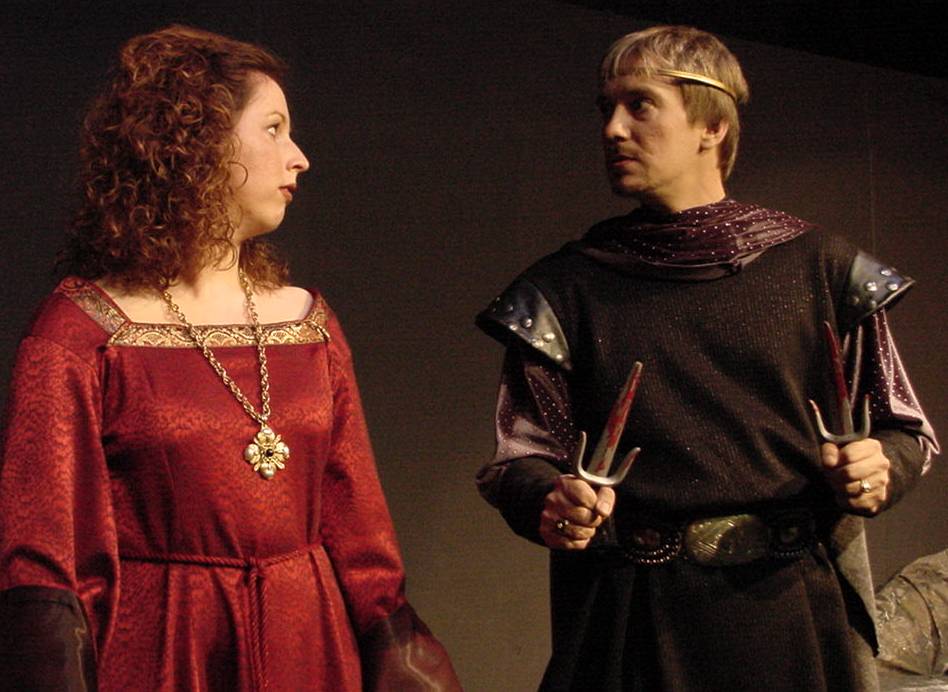
In the beginning of Act II, Macbeth had a plan to kill Duncan in order to take over the throne. He figured it would be a good plan, however, after committing the assassination he started to have emotional problems and was not sure if he did the right thing. He then hears people while they are sleeping saying things such as "Macbeth has murdered sleep, and therefore Macbeth will sleep no more." Lady Macbeth then tries to tell him that he is acting like a coward and weak. He then says that he can not continue with the plan of taking the daggers back and smearing the guards with blood while they are still sleeping. Lady Macbeth then takes control and does the deed and says "My hands are as red as yours, but I would be ashamed if my heart were as pale and weak" showing how Macbeth is having a hard time with what he has done. He now has to deal with the consequences which seem to be too much to handle at the moment, which ultimately becomes Macbeth's internal conflict.
~Danielle Lavallee
Characterization

Macbeth showed his true colors in the second act. He came into the whole plot planning with such confidence and seemed like nothing could possibly interfere or go wrong. Macbeth managed to get one thing right, nothing did interfere but his feelings almost did. He showed that when proposed with such a large and inordinate decision, he is nervous and acts like a coward. Lady Macbeth even acted with more poise than Macbeth did which shows that in future uneasy situations Macbeth's morals and personal feelins could possibly get in the way.
Saturday, February 21, 2009
Internal conflict

The beginning of Act II starts off with Macbeth and his coterie planning to assasinate Duncan and take over the throne. Macbeth, Banquo, and Lady Macbeth are all involved in the macabre plot. Their plan was for Lady Macbeth to hide two daggers where Macbeth could find them. Then Macbeth would stealthly sneak into the Kings bedroom and stab and kill him. Before the commencement of assasination, Macbeth's conscious kicks in and he starts to have second thoughts about killing Duncan. Macbeth says, "I have thee not and yet I see thee still. Art thou not, fatal vision, sensible to feeling as to sight? Or art thou but a dagger of the mind, a false creation, proceeding from the heat-oppressed brain?" This quotation shows an internal conflict with Macbeth, in the sense that he is envisioning the murder, but he is starting to think that he is not being rational about the whole situation. After the murder, Macbeth starts to tell Lady Macbeth what happened. He tells her what each soldier said and he starts to become mystified about what they said and why they said it. Macbeth heard a voice cry, "Sleep no more! Macbeth has mudered sleep." Macbeth gets a little upset over this and Lady Macbeth calms him down by simply saying that he cannot let this get to his head. She thinks that he will become weak if he keeps having these thoughts. In the beginning of Act II Macbeth saw the murder as 100% positive. Now as he looks back on it, he is getting scared and all negative thoughts are running through his head. It will be interesting to see if anyone snitches on Macbeth because as of now, no one except the people who were in on the plot know that Macbeth killed Duncan.
Friday, February 20, 2009
Characters and characterization


We can tell more about Lady Macbeth in the second Act. When Macbeth kills King Duncan with the daggers. He goes and talks to Lady Macbeth how he can not go back there. She is tells him to put the daggers back, but says that he can not. Lady Macbeth says to him " Infirm of purpose! Give me the daggers. The sleeping and the dead are but as picture. 'Tis the eye of childhood that fears a painted devil. If he do bleed, I'll gild the faces of the grooms withal, for it must seem their guilt." She is telling him that he is weak and for this to go right they both have to be ruthless and make it look like it was not them, but the servants for King Duncan.
Language

While reading this play I often find myself frustrated with the confusing structure of Shakespeare's words. Thats why it surprised me that even after reading the stripped down "modern day" english version of the play, I have come to appreciate Shakespeares words and now perfer them. For instance when the old man of seventy years enters in the last scene of Act 2 he describes mother natures response to the murder of the king. The modern day english is pathetic. "Ah yes..old man. You can see the skies. They look like they're upset. The clock says daytime, but the dark is strangling the sun." Now what Mr. Shakespeare said. "Ha Good father, Thou seest the heavens, as troubled with mans act threatens his bloody stage. By th' clock 'tis day, And yet dark night strangles the traveling lamp." I think its sweet that Shakespeare names the sun a traveling lamp and from now on when appropriate I will say traveling lamp instead of sun. I love lamp
Language Interpretation - Act II

“ Whence is that knocking?
How isn’t with me when every noise appals me?
What hands are here? Ha! They pluck out mine eyes.
Will all great Neptune’s ocean wash this blood
Clean from my hand? No, this my hand will rather
The multitudinous seas incarnadine,
Making the green one red.”
How isn’t with me when every noise appals me?
What hands are here? Ha! They pluck out mine eyes.
Will all great Neptune’s ocean wash this blood
Clean from my hand? No, this my hand will rather
The multitudinous seas incarnadine,
Making the green one red.”
This soliloquy from Macbeth is a clear display of his immediate feelings of guilt and regret. In his mind he is now questioning what he has done and why he has done it. He is now deeply disturbed, and even a knock on the door makes him jump, as if he is about to be caught red handed. The line “Will all great Neptune’s ocean wash this blood clean from my hand?” Macbeth realizes that not all the water in the world can rid him of the burden of murder. Neptune, the Roman god of the sea, cannot not wash the away the guilt he feels, and the blood from his hands will sooner turn the seas “incarnadine”, or a deep red, before the seas wash away the blood. Macbeth felt loyal to the king yet he has just betrayed him in murdering him, but he cannot fathom why he has done it. Perhaps it was not him? Or was it Lady Macbeth’s mandate? Macbeth working in collusion with Lady Macbeth is certainly motivating him towards it, but she is not the one who followed through on it. Lady Macbeth even claims she would have done it herself had Duncan “ not reminded me of my father”, yet she scolds Macbeth for being so chary in murdering him. You almost feel sorry for Macbeth as he feels so guilty afterwards, in contrast with Lady Macbeth’s imperturbable demeanor. Macbeth’s bloody hands are a symbol of his guilt and remorse.
Thursday, February 19, 2009
internal conflict

In the second act Macbeth kills the king. His internal conflict begins right after he had commited the crime. He says that he heard a voice cry, "Sleep no more! Macbeth does murder sleep" and "Glamis hath murdered sleep, and therefore Cawdor shall sleep no more." This i believe is a foreshadowing of Macbeth's sleeplessness later in the story. Also when Lady Macbeth asks him to bring back the knives, Macbeth can't do it because he is already second guessing his decision. Before Macbeth actually commits the murder he envisions a dagger in front of him. This vision is brought on by the stress that he has put on himself by deciding to kill the king.
Thursday, February 12, 2009
Symbols and Imagery

In the play the sky consistently has been portrayed as dark, gloomy, and unsettling. In every seen so far, there has either been a lighting storm, rain, or it is night time. First we see it in the opening of the play where the three witches meet, saying “When shall we three meet again? In thunder, lighting, or in rain? … There to meet with Macbeth.” The darkness of the weather and sky seems that the witches will portray horrifying news to Macbeth, but instead they praise him and only bring him hope for his future. Second time we see this is on the battle field when the captain addresses the King saying, “Shipwracking storms and direful thunders break.” Again we assume that something terrible is going to happen to our main character, but instead King Duncan announces Macbeth as Thane of Cawdor. Ironically the worse the weather gets the more praise Macbeth receives. Therefore I think that the weather is foreshadowing Macbeth’s internal conflict rather than his outer appearance. Macbeth is unsure of the great news that he receives, because becoming King means that King Duncan will have to fall. All of the praise that Macbeth encounters could turn out to be a cursed blessing.
-allie
Setting/Location

The opening scene of the play immediately sets the tone to have a very murky and spooky atmosphere. Shakespeare had the 3 witches open the play and set a dark tone right at the start. In the first scene, the three witches are seen planning to meet upon the heath, after the battle, to confront Macbeth about the prophecy. In the second scene a wounded bloodied captain is seen making jokes about and talking about what is happening and has happened on the battle front. The weather is pouring out and there is a slaughter on the battlefield. This weather and news from the battlefront only proceeds and continues to further the darkness and solumness of the play. In the final scene we read, Macbeth is confronted on the battlefield by the 3 witches and is told his fate. The conditions alone that Macbeth is in when he is confronted with his fate are miserable.
Setting
Settings 
Setting is the first thing to talk about because it sets what may potentially happen in a scene, the mood, and the location.
The first scene is set on a beach and the three witches are first introduced here. The three witches represent the past present and future. It is dark and gloomy on the beach, which is the same throughout what we have read so far. It sets a foreboding mood for the witches.
The second seen is on a battle field with a gore covered captain, who describes what happened. The weather is still quite foreboding, and there will probably be more death then there already has been in this location, because it is an already bloody battlefield more people will probably die there.
And the last scene we read was in the heath of Scotland. This is a dreary witch filled location where Macbeth is first introduced to his fate. His fate seems bound to be dreadful because of the conditions that it is told to him, by miserable bearded lady witches in terrible weather after a bloody battle.

Setting is the first thing to talk about because it sets what may potentially happen in a scene, the mood, and the location.
The first scene is set on a beach and the three witches are first introduced here. The three witches represent the past present and future. It is dark and gloomy on the beach, which is the same throughout what we have read so far. It sets a foreboding mood for the witches.
The second seen is on a battle field with a gore covered captain, who describes what happened. The weather is still quite foreboding, and there will probably be more death then there already has been in this location, because it is an already bloody battlefield more people will probably die there.
And the last scene we read was in the heath of Scotland. This is a dreary witch filled location where Macbeth is first introduced to his fate. His fate seems bound to be dreadful because of the conditions that it is told to him, by miserable bearded lady witches in terrible weather after a bloody battle.
Setting/Location

The play begins around 11th century in the very bucolic Scotland. It opens with the three witches during a very murky storm. This may seem to be a paltry detail to a tyro but it is actually a very important piece of information and also gives some foreshadowing into the play. After the scene with three witches it moves onto a large open battlefield where both sides are unremitting and are stuck in a stalemate. The weird sisters show up in this scene as well and again bring the gloomy weather with them and make the scene seem darker and more grim. After the battle scene Shakespeare goes to a very bestial scene in which the thane of cawdor is beheaded. Beheading was a form of entertainment in those times and people were often calumniated and would be beheaded.


Characters/ Characterization

Setting and Location

A man once asked a meteorologist for a mexican weather report...the response was chili today and hot tamale. If i were to ask that same meteorologist the weather roughly around 11 bc in Scotland during the creation of Macbeth he would respond gloomy with a one hundred percent chance of sketchyness. How else could one explain a traveling trio of bearded women who enjoy "mounching" just as much as terrorizing sailors w/ selfish wives. The torrential downpours help set the gloomy mood of sketchyness. Did either Macbeth or Banqou ever ask for 3 dusty old women to chant in eerie tones the destiny of themselves and their offspring during hurricane like showers? If you were to look solely at the facts(minus the beautiful poetic structure of shakespeares words) than one would understand the sketchyness of the begining of the play. I feel like some of my thunder was stolen from the magnificient response made by Cerullo and Danielle and agree with them that violence and blood scenes of the execution of thane of cawdor and battlefield scene also influence the gloomy mood. I hope as the play plays out the readers will see a less creepy scenes
Characters and Characterization

Throughout the first few scenes of the first act, Macbeth has been looked upon as being a very brave and remarkable man who deserves the attention that he is getting. This is shown when the witches are speaking of him in such high manner and when Duncan orders that the thane of Cawdor be put to death and that Macbeth be given Cawdor’s title. All of this praise is looked upon by Macbeth as being confusing due to the prophecy that was told about him. The witches tell Macbeth that he will be king one day and also tell his companion Banquo that he will be happier than Macbeth and that his children will become kings. When Ross and Angus come to express the king's gratitude to Macbeth, they also relay to him the fact that the king has made him thane of Cawdor. Macbeth is amazed at this due to the fact that the witches prophecies have come true. He is also at conflict with himself wondering whether the throne will be given to him or if he will have to kill the former king to gain the throne. Macbeth's character at this point in the play is revered as a hero who deserves gratitude and recognition for the actions that he has performed. This recognition is connected to his success in battle. When thinking of Macbeth's character one can make the comparison to Achilles or maybe even Okonkwo. All of these characters recieve recognition from their "kings" and are revered as being powerful and noble.
Wednesday, February 11, 2009
Location and Setting
 In the beginning of the story, Shakespeare imforms us that the setting is during the middle ages around the 11c. in Scotland. He then introduces the "Weird Sisters" who start the play with an eerie mood to it because of how Shakespeare portrays them as ugly and dark. They are together during a violent thunderstorm with pouring rain. That description gives the reader a perfect picture of a dark and gloomy mood. Shakespeare then shifts gears towards a battlefield focused around fighting and bloody scenes. The three witches then appear and bring a dark cloud with them that seems to follow them where they go. It them goes towards an execution of Thane of Cawdor, which were known and are still known to be dark and gloomy and sets the mood for the rest of the play as well. Overall, the atmosphere does not seem to be a good one and it may be foreshadowing how nothing but bad and dark things are to come as the reader progresses into the play.
~Danielle Lavallee
Setting and Location
 The setting in the begining scenes of MacBeth are all very similar. They each portray a dark and gloomy scene with great amounts of thunder and lightning. The image of a sylvan area is depitcted often. This type of weather and scenary are used to create a mood where it is sullen and has a sense of doom. The opening line "When shall we three meet again? In thunder, lightning, or in rain?" spoken by the first witch, is used to show the nefarious nature of the three witches when they are at the beach. In the third scene we see the 3 witches again. This time they are at a heath near Forres and again the weather is very gloomy. This dark weather that follows the three witches shows the negativity that surrounds the witches. It makes them seem evil and it shows them in a bad light. This weather that is with them paints a murky and somewhat spooky scene to help readers vizualize the evilness of the 3 witches.
The Hero's Journey - The Ordinary World and the Call to Adventure
The Ordinary World - Enter Macbeth whom is a nobleman of Scotland whom is loyal to its King and to its people. He flights along side King Duncan against the "corrupt" nobles in the conflict that opens the first few scenes. Macbeth is successful in his efforts against the opposing armies after much effort of overcoming the enemy forces. Macbeth lives in an ignorance of fate is to befall him and this fate will be both fair and fowl, likely the motif or recurrence that will tie everything together.
The Call to Adventure - Macbeth is but a humble servant to the King, the noble of one of Scotland's territories. Unknown to Macbeth, one of the other nobles is sentenced to death by King Duncan and will have Macbeth inherit his power and land. However, the three witches convey this message to Macbeth. That he shall have more power, that he shall be a future king.
General Analysis - Macbeth('s) ordinary world is serving the king as a nobleman of Scotland. His call to adventure or the end of his ordinary world is the three wierd sisters foretelling Macbeth's future acension to the throne.
The Call to Adventure - Macbeth is but a humble servant to the King, the noble of one of Scotland's territories. Unknown to Macbeth, one of the other nobles is sentenced to death by King Duncan and will have Macbeth inherit his power and land. However, the three witches convey this message to Macbeth. That he shall have more power, that he shall be a future king.
General Analysis - Macbeth('s) ordinary world is serving the king as a nobleman of Scotland. His call to adventure or the end of his ordinary world is the three wierd sisters foretelling Macbeth's future acension to the throne.
Setting/Location
At the beginning of the play we are able to see the setting and mood by just reading the opening lines. It is set in the middle ages around the 11th century and takes place mostly in Scotland. The audience is first introduced to the the weird sisters who are gathered on a Scottish moor during a violent thunderstorm which gives an eerie feeling to the audience. The next scenes take place on a vast battlefield in which violence takes over. Once again the mysterious witches appear for a short while bringing a sense of doom and curiosity to the story. In the middle ages many people believed abstract ideas including the spells cast by witches. We know that the weird sisters are also known as the Fate Sisters so they may be aspects in Shakespeare's foreshadowing for the future events in the play. There is battlefield is located near a military camp as well. We are able to see how violence plays a key role in the culture during the middle ages with the brutal executions which were considered entertainment. Already we have seen one execution of the Thane of Cawdor which sets the dark tone for the rest of the play. Violence is sure to be a recurring theme specifically because Macbeth is set in the middle ages period.
Conflict
This far in the play we have seen an internal conflict. When the Witches call Macbeth further King, he does not understand why they called him King, but he really wants to be King. Then when Macbeth thinks about it, he really wants it to happen and he thinks that only way for this to happen is for him to kill the current King. This is an internal conflict that we have seen in the play so far.
Setting and Location

The story Macbeth starts out on a battlefield in Scotland during a thunderstorm with the "Wierd Sisters" aka the three witches. This sets the mood of dark and gloomy right off the bat. Shakespeare delineates the three sisters as bearded, ugly and haggard. This makes us create a figment of how dark and gloomy it actually is in the scene because of the visual of the three. In the second scene King Duncan and a bloody man enter(dont remember his name) He tells the king of all of the fighting going on and the story of Macbeth. With Macbeth being called the Thane of Cawdor by the king, it kind of brings on more depression because the king has ordered the previous Thane of Cawdor to be executed. So far the story has taken place on mostly the battlefield with a dark and gloomy mood.
-STEVE VARNEY
Macbeth - Setting

Since it's a little early to analyze most of the story, I figure I'll talk a bit about what we've seen of the setting so far. Currently in Macbeth, we've seen the Weird Sisters on a beach, the King and some of his military force near Forres, and Macbeth and Banquo at a heath, where they meet the Weird Sisters. Each of these areas have had the exact same weather, which is to say bad weather. It is stormy, with lots of thunder and rain pouring in, with mist and fog rolling over the landscape. Such bad weather so early in the play can only mean bad things are to come, or perhaps that Macbeth will have to fight his way out of the dark times that he is currently in or will potentially face. Not five minutes into the play and the reader/viewer already has a sense of foreboding regarding the rest of the play.
Each location has a few potential themes buried within them, each unique and overlapped by the perpetual feeling of doom described previously. First off is the beach, where the play opens. Beaches can represent a sort of perpetual change, which is associted with the flowing of the tides, which can completely change the landscape it encroaches upon on a day by day, hour by hour basis. It's pretty likely that this will appear as a theme in Macbeth, though it most likely won't be quite as simple, peaceful, or as innocent as the changing tides.
Next is the battlefield outside of King Duncan's castle at Forres. Unlike the beach and the heath, this one is much more straightforward. This location was the site of a fierce battle, and a place where Macbeth displays his vicious nature, though it isn't actually seen by the audience. Quite simply, this place represents the potential for violence Macbeth has, and the effects it has on both his friends and his foes, as the captain talks of Macbeth's incredible strength, and almost seems to revere him. Macbeth is known to be a violent play, and the battlefield is an example of just how violent it is sure to be.
Lastly is the heath. But first, what the heck is a heath? Well, a quick jaunt over to Dictionary.com reveals that it is in fact a "wasteland overgrown with shrubs," which was seen in the Macbeth film, as well as in the picture above. Save for the weather, which is still absolutely miserable, this spot is a bit harder to characterize. Perhaps the ruins and overgrown area the Weird Sisters appear to live in or at least dwell in temporarily will represent the potential ruin Macbeth will meet in the future, as the Weird Sisters are, in addition to being potent witches, are sort of living incarnations of the past, present, and future. It's a bit of a stretch, but it's really all I can come up with at this moment. It's still a little early to make many predictions for this spot anyways, as we haven't fully covered this scene yet anywyas.
In short, we haven't gotten more than a half dozen pages into the play and things are already appearing to be pretty glum and depressing. It will be interesting to see how this opening plays out into the overall scope of the play.
The Weird Sisters-Characterization
In Macbeth, the weird sisters/witches, or the "fate sisters" are in character as the past, present, and future. When speaking to Macbeth they hail him as thane of Glamis (past), thane of Cawdor (present), and as future king. The witches as described as haggard and ugly women with beards, and Macbeth and Banquo even wonder if they are women. The first scene of act 1 sets the witches in character as they are setting Macbeth's fate in motion. The witches speak in riddles, and it confuses Macbeth and Banquo, and because they are destiny, the fact that they told Macbeth that he is to one day be king and that Banquo's children will also sit on the throne, the destiny of Macbeth is revealed. When they first hail him as thane of Cawdor, Macbeth is confused, but as soon as he finds out it is true he wonders about the witches. The general vibe from the witches isn't particularly pleasant, and they seem angry and vengeful. When a sailor's wife refuses to share her chestnuts with one of the witches she plots some cruel revenge. The characters of the witches are important to the play because they give insight into the past, present, and future.
Lauren Woitowicz
Lauren Woitowicz
Friday, February 6, 2009
British Literature - Macbeth Assignments
Greetings A Block English students. Over the course of the next few weeks we will be reading the play Macbeth, by William Shakespeare. During this time you will be required to post responses based on your interpretation of the text.
Blog Post Rules:
1. No inappropriate language.
2. Make sure to identify yourself so that you get homework credit for your post.
3. You may not repeat an option once you have submitted a post.
4. Extra Credit on your vocabulary average (2 quiz points) each time you use a vocabulary word correctly when posting your response.
5. Extra credit on your homework average if you include an image which relates to your response.
Reader Response Options:
1. Characters and characterization - Comments concerning the major characters and choral characters in which one analyzes the creation (by means of speech, action, and gesture) of a sense of the moral, intellectual, and emotional qualities of the character. These comments will be based on your sense of how the character is identified and how the character is developing in the scene. This is a chance for you to also consider your personal connection to the character.
2. Setting & Location - The setting is where the story takes place and location of the action for the characters. Therefore, comments regarding this option should focus on how the location affects the tone of the story and mood for the audience. How does the location and setting help to develop the story. In this section, identify the specific locations by name, description and purpose.
3. Symbols and Imagery - William Shakespeare is a true craftsman when it comes to influencing the story with symbols and imagery. Identify specific symbols and provide your interpretation. You may also identify lines from the play in which the imagery has an effect on the tone, mood or characterization on the figures involved.
4. External and Internal Conflict - No tragic play would be complete without some serious conflict. Identify the conflicts faced by the characters in this play. There will be a large variety to choose from. You can discuss the conflict on a personal level and provide possible resolutions. You can also consider the causes of the conflict and the effects of the conflict on the the story.
5. Stages of the Hero Journey - Identify any of the 12 stages of the hero journey and explain how Joseph Campell's paradigm applies to the play.
6. Motifs - A motif is a recurring symbol, object, phrase, or action that repeats to emphasize a specific theme in a story. As the play progresses you will begin to notice a number of motifs developing. Pay close attention to them as you will eventually do a group presentation concerning one of them. Identify a motif, explain where it appears in no less than two places in the play, and discuss its purpose.
7. Language Appreciation & Interpretation - For this option, you may show your appreciation for Shakespeare's craftsmanship. Provide a line that moved you as a reader, provide the context and interpret it. Make an attempt to interpret the line even if you think you do not understand the line entirely. It may start a provocative discussion in class. You may simply like the way the line sounds. Tell us about it. The line may remind you of something entirely separate from the play. Tell us about it. Be brave and interact with this play.
8. Reaction to Peer Post - For this option, you will have the opportunity to react to a post made by one of your classmates. Maybe you agree with them and they stole your "thunder" but you have something to add to their commentary. Maybe you disagree and you would like to debate or clarify. Either way, interacting with your classmates on this blog is a bonus.
Blog Post Rules:
1. No inappropriate language.
2. Make sure to identify yourself so that you get homework credit for your post.
3. You may not repeat an option once you have submitted a post.
4. Extra Credit on your vocabulary average (2 quiz points) each time you use a vocabulary word correctly when posting your response.
5. Extra credit on your homework average if you include an image which relates to your response.
Reader Response Options:
1. Characters and characterization - Comments concerning the major characters and choral characters in which one analyzes the creation (by means of speech, action, and gesture) of a sense of the moral, intellectual, and emotional qualities of the character. These comments will be based on your sense of how the character is identified and how the character is developing in the scene. This is a chance for you to also consider your personal connection to the character.
2. Setting & Location - The setting is where the story takes place and location of the action for the characters. Therefore, comments regarding this option should focus on how the location affects the tone of the story and mood for the audience. How does the location and setting help to develop the story. In this section, identify the specific locations by name, description and purpose.
3. Symbols and Imagery - William Shakespeare is a true craftsman when it comes to influencing the story with symbols and imagery. Identify specific symbols and provide your interpretation. You may also identify lines from the play in which the imagery has an effect on the tone, mood or characterization on the figures involved.
4. External and Internal Conflict - No tragic play would be complete without some serious conflict. Identify the conflicts faced by the characters in this play. There will be a large variety to choose from. You can discuss the conflict on a personal level and provide possible resolutions. You can also consider the causes of the conflict and the effects of the conflict on the the story.
5. Stages of the Hero Journey - Identify any of the 12 stages of the hero journey and explain how Joseph Campell's paradigm applies to the play.
6. Motifs - A motif is a recurring symbol, object, phrase, or action that repeats to emphasize a specific theme in a story. As the play progresses you will begin to notice a number of motifs developing. Pay close attention to them as you will eventually do a group presentation concerning one of them. Identify a motif, explain where it appears in no less than two places in the play, and discuss its purpose.
7. Language Appreciation & Interpretation - For this option, you may show your appreciation for Shakespeare's craftsmanship. Provide a line that moved you as a reader, provide the context and interpret it. Make an attempt to interpret the line even if you think you do not understand the line entirely. It may start a provocative discussion in class. You may simply like the way the line sounds. Tell us about it. The line may remind you of something entirely separate from the play. Tell us about it. Be brave and interact with this play.
8. Reaction to Peer Post - For this option, you will have the opportunity to react to a post made by one of your classmates. Maybe you agree with them and they stole your "thunder" but you have something to add to their commentary. Maybe you disagree and you would like to debate or clarify. Either way, interacting with your classmates on this blog is a bonus.
Subscribe to:
Posts (Atom)

